
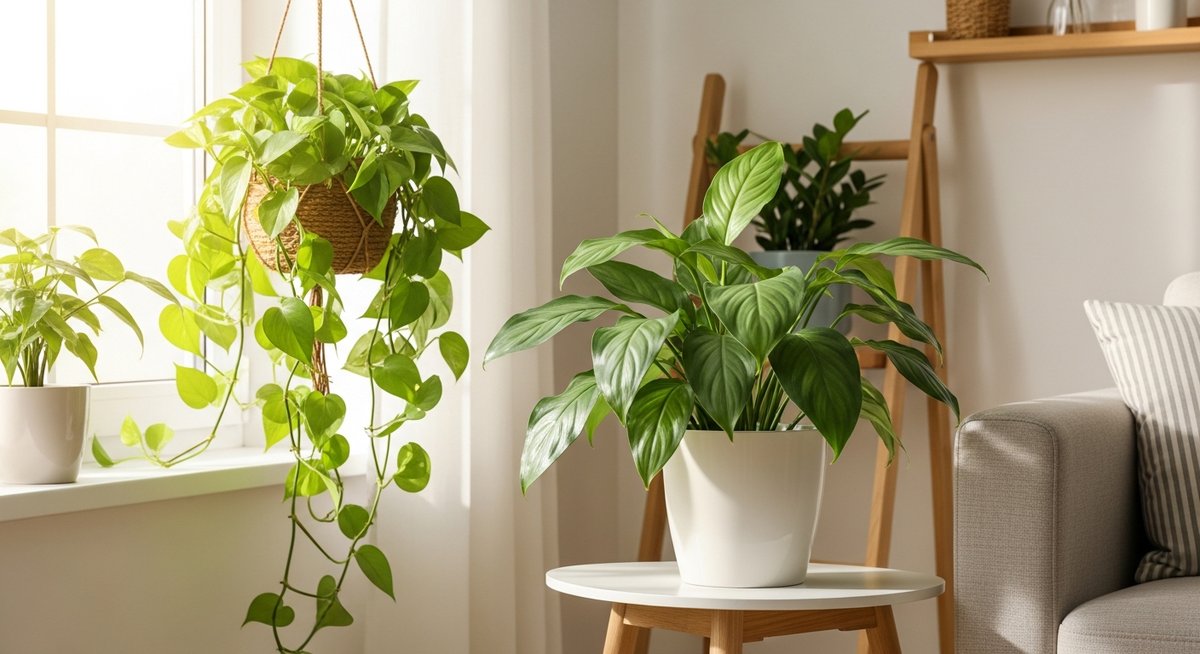
Summer can be tough on houseplants with all that extra heat and sun. Some plants thrive in the warmth, while others start showing signs of stress before you even notice what’s changed.
But do you really know which adjustments your plants need when the seasons shift?
To avoid some of that unwelcome crispiness, I’ll walk you through simple ways to help your plants handle the heat without losing their cool. From watering tweaks to light control, it’s all about paying attention to what your space – and your plants – are telling you.
Table of Contents
Quick Care Guide for Most Common Houseplants 💚
⭐ How to start? Easy, hard-to-kill plants like Monstera or Pothos are usually a great starting point.
💧 Water: Water when the top 1-2 inches of soil are dry, but avoid letting them sit in standing water to prevent root rot.
🌱 Soil: Use a well-draining potting mix designed for indoor plants - I personally use this one. A mix with peat, perlite, or coco coir is great for avoiding soggy roots.
☀️ Light: Most houseplants thrive in bright, indirect light. Too little light can cause leaf drop, while direct sun may scorch the leaves.
🌡️ Temperature: Keep them between 60-75°F (15-24°C) and away from drafts, heaters or air conditioners.
🌿 Fertilizer: Feed with a balanced, water-soluble fertilizer (my top pick is this Miracle-Gro one) once a month during spring and summer. Hold off during fall and winter.
1. Water houseplants early in the morning
Giving your plants a drink first thing helps them stay hydrated through the heat of the day. Early watering means less water will evaporate before the roots can soak it up.
Doing this in the morning also gives the leaves plenty of time to dry out. That lowers the risk of fungal issues that sometimes pop up with damp leaves sitting in warm afternoon sun.
Another bonus is that your routine will be easier to keep up if you tackle watering before you get busy with other tasks. Plants appreciate a regular schedule. Make it part of your morning and they’ll adjust more easily to seasonal changes.
2. Use mulch to retain soil moisture
Spreading mulch on top of your plant’s potting mix helps keep water in the soil longer. This simple step is especially helpful as temps go up and plants dry out faster.
You can use bark chips (my personal favorite – these bark chips are perfect for houseplants), coconut coir, or even small pebbles as mulch. Just make sure you leave some space around the base of stems so the plant can breathe.
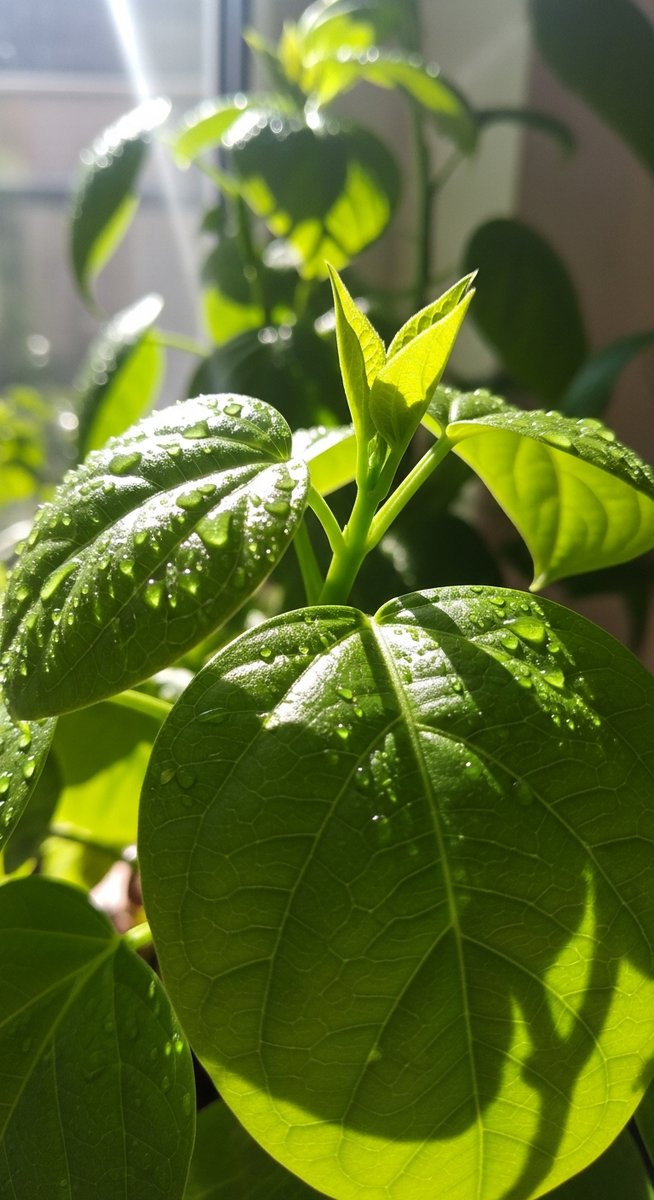
Mulch also slows down evaporation, so you won’t have to water as often. It can help keep the soil temperature steadier, preventing sudden changes that can stress your plant.
A thin layer of mulch is enough – no need to pile it on thick. Refresh it every few weeks if it starts to break down or look messy.
3. Move sensitive plants to shaded areas
Some leafy friends really don’t take well to direct sun, especially during hot afternoons. Too much exposure can scorch their leaves or cause them to wilt faster than usual.
Take a look around your home and garden. Shift the most delicate ones to spots with dappled shade, under bigger plants, or on shaded patios. Even setting them near a sheer curtain helps.
Moving them just a few feet can make a big difference. Check on them every few days to adjust their position if the sun shifts as the season goes on.
4. Use a balanced liquid fertilizer every 2 weeks
Plants use up more nutrients during the summer, so it’s a good time to feed them regularly. A balanced liquid fertilizer works well and gives your plants the nutrients they need for healthy leaves and roots (this is the fertilizer I always recommend for houseplants).
Use fertilizer at half strength every two weeks to avoid overwhelming your plant. Make sure the soil is damp before feeding so you don’t burn the roots.
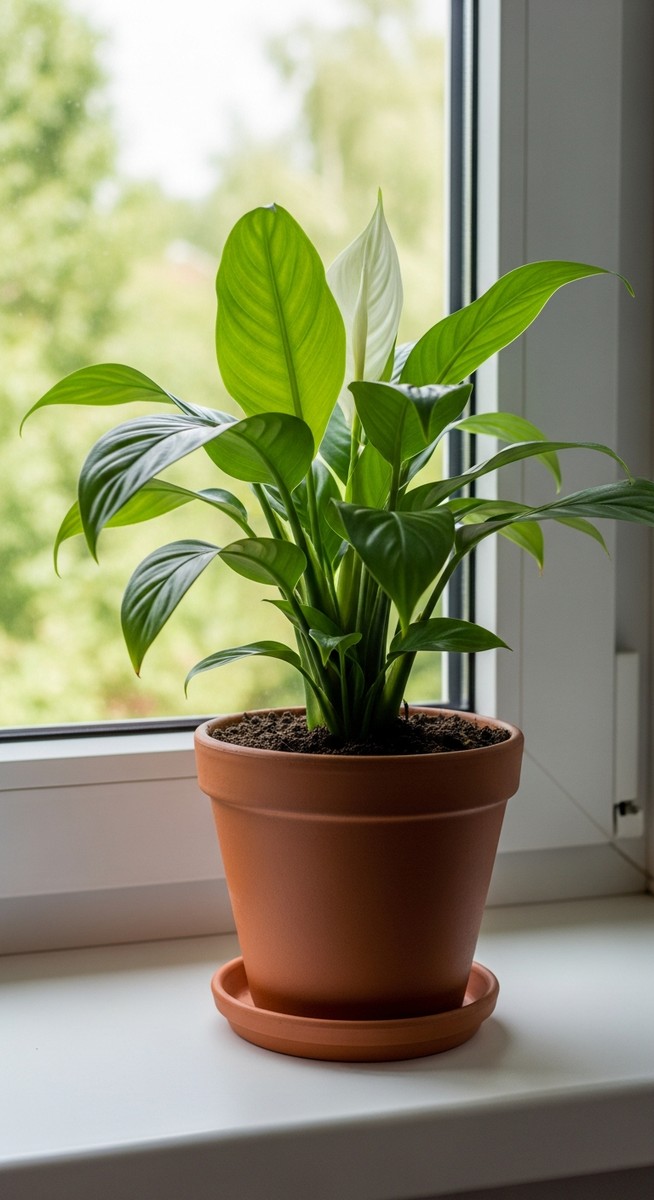
Always follow the directions on your fertilizer’s label. Too much feed can cause more harm than good and lead to salt buildup in the soil. Regular light feeding keeps your houseplants looking their best through the warmest months.
5. Mist plants with water to increase humidity
Misting can help keep moisture levels higher around your houseplants, especially during dry spells. Just fill a spray bottle with room-temperature water and lightly spray the leaves each morning.
Don’t overdo it – a gentle mist is usually enough. Pay attention to plant leaves and avoid misting hairy or fuzzy ones since they don’t like extra moisture on their surfaces.
Plants like ferns or calatheas often respond well to this extra humidity. It’s a quick and easy step to add to your summer care routine.
6. Check for pests regularly
Spider mites and other small bugs can show up fast when conditions are hot and dry. These pests are tiny, but they leave little webs or yellow spots on your plant’s leaves.
Take a closer look at the undersides of leaves every time you water or move your plants around. A magnifying glass can help spot them early.
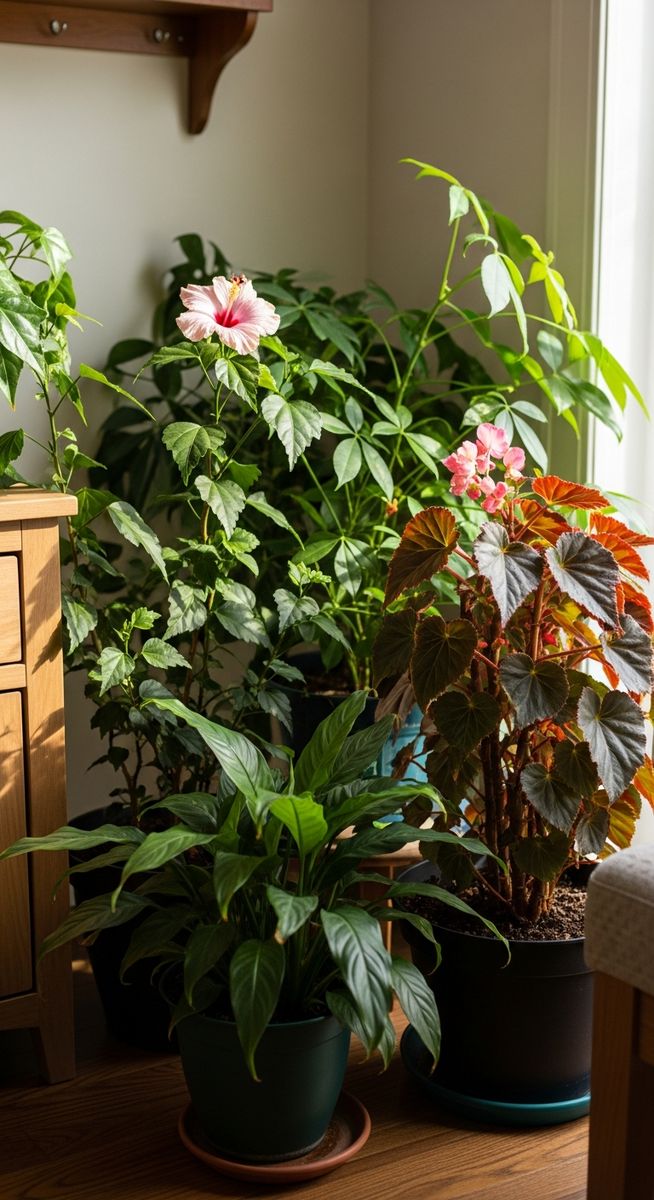
Catching pests quickly makes it easier to handle the problem. Wipe leaves down or use water to wash them away at first sight. Early action keeps your plants healthier through summer.
7. Prune dead or yellow leaves promptly
Dead or yellow leaves can make your plants look messy and use up valuable energy. Removing them helps your plant put resources into growing new, healthy leaves instead.
It’s simple to snip away any leaves that look wilted or discolored. Make sure your cutting tool is clean to avoid spreading any disease between plants.
Check your plants regularly through summer as they can shed or yellow leaves faster in hot or dry conditions. This quick task keeps your plants looking tidy and can even prevent pests from settling in weak spots.
8. Avoid overwatering to prevent root rot
Warm weather can make it tempting to water more often, but too much moisture causes trouble below the surface. Roots need to breathe, and soggy soil keeps them from getting enough air.
Wait until the top inch of soil feels dry before watering again. Sticking your finger in the soil is an easy test. Drooping leaves might not always mean your plant is thirsty – sometimes it signals too much water.
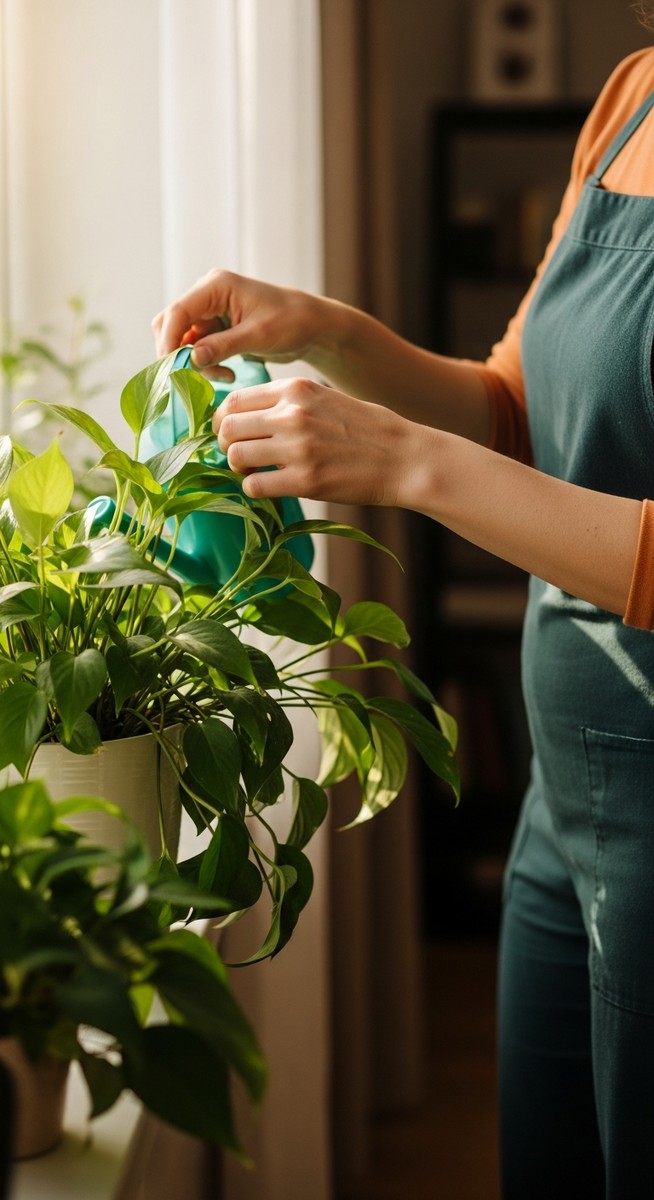
Empty any saucers underneath your pots so water doesn’t collect. Environments with high humidity or poor airflow can make conditions worse, so make small adjustments as needed.
9. Place heat-loving plants in sunny spots
Some of your houseplants like it hot. Putting these near south or west-facing windows will help them soak up extra sunlight as days get brighter.
Cacti, succulents, and some tropicals usually prefer bright conditions when temperatures rise. Just be sure to keep an eye on them so they don’t scorch or dry out too quickly.
Move less sensitive plants away from direct rays to prevent leaf burn. Rotating pots every week also helps sunlight reach all sides, giving your plants an even boost.
10. Use self-watering pots for convenience
Self-watering pots can make plant care a lot easier when the weather gets hot. With these pots, water is slowly delivered to the roots, so your plants stay hydrated even if you don’t remember to water every day.
They’re great if you travel or get busy, letting you skip a few days without worry. The soil doesn’t dry out as quickly, which really helps during heat waves.
You’ll also notice less mess and fewer spills since the water is stored underneath. It’s an easy way to keep up with summer plant care and makes daily routines a bit simpler.
11. Repot plants that outgrow their containers
When you notice roots poking out of drainage holes or circling the inside of the pot, it’s time to give your plant a new home. Plants need enough space for their roots to grow, especially during the active summer months.
Choose a container that’s just a bit larger – usually about one size up. Using fresh potting mix helps avoid soil that’s compacted or depleted.
Handle the roots gently as you move your plant. Water well after repotting to help it settle in and recover from any disturbance.
12. Clean leaves to improve photosynthesis
Dust and dirt can build up on your plant’s leaves, making it harder for them to take in sunlight. Use a soft, damp cloth to gently wipe both sides of the leaves. For smaller or fuzzy leaves, a soft paintbrush works well.
Cleaning your plant’s leaves isn’t just about looks. It helps them breathe and function better during the warm months. You might be surprised at how much brighter your plants appear after a quick cleaning.
Try not to use any leaf shine products, as these can clog pores. Clean every few weeks or whenever you notice dust. Regular care like this supports healthy growth all summer.
13. Use shade cloth for outdoor plants
Shade cloth helps protect your outdoor plants from strong sunlight during the hottest days. It’s simple to set up – just drape it above your plants or attach it to supports so it doesn’t touch them directly.
Go for a cloth that blocks 30% to 50% of sunlight for most leafy houseplants. This lets enough light through but keeps temperatures down.
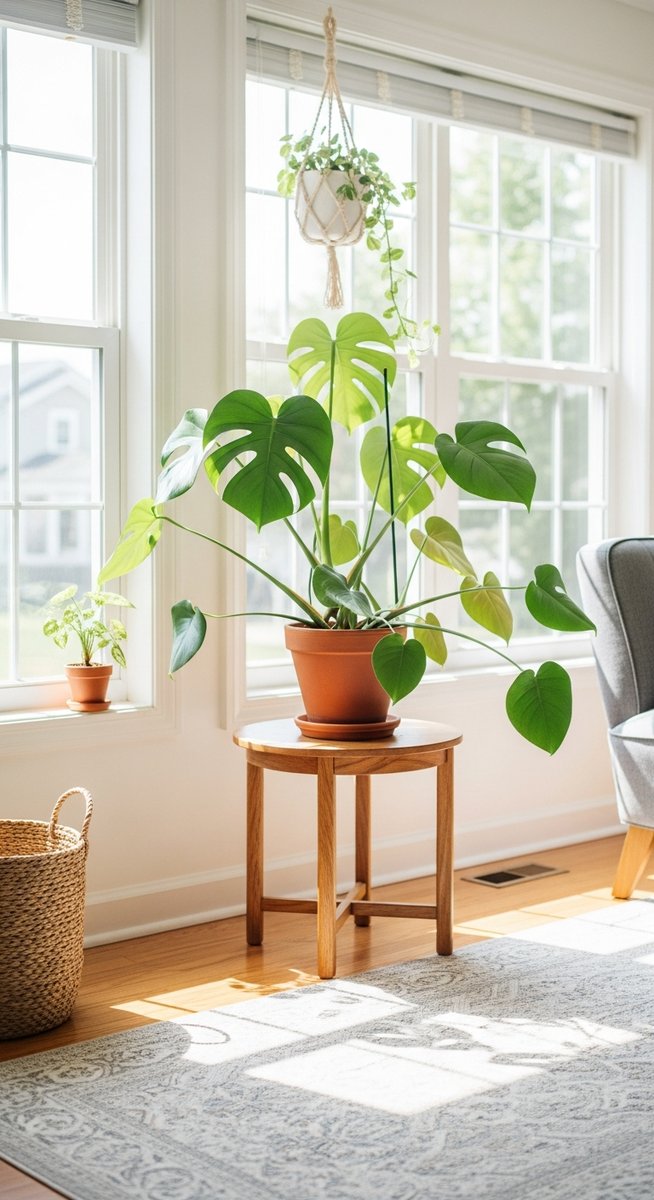
Putting up shade cloth can also help prevent sunburn and leaf damage. You’ll notice your plants look a lot less stressed when they’re not exposed to direct midday sun.
14. Rotate plants weekly for even sunlight
Plants naturally grow toward the light source, so one side can end up getting more sun than the other. You might notice leaves stretching or growing unevenly. By turning your pots a little each week, you help every side get the light it needs.
This small habit can support balanced growth and prevent your plants from looking lopsided. Give your pots a gentle turn when you water them to keep things simple.
Different spots in your home get different amounts of sunlight, especially as the sun’s angle changes during summer. Rotating your plants also helps them handle these shifts, so they keep growing well all season.
15. Provide good airflow around plants
Good airflow helps your plants avoid issues like mold, mildew, and pests. Space each pot so the leaves aren’t touching or crowded together. Move plants away from walls or corners where air might get trapped.
You can crack a window or use a small fan to keep air moving, especially on humid days. Just avoid blasting cold air directly onto the leaves.
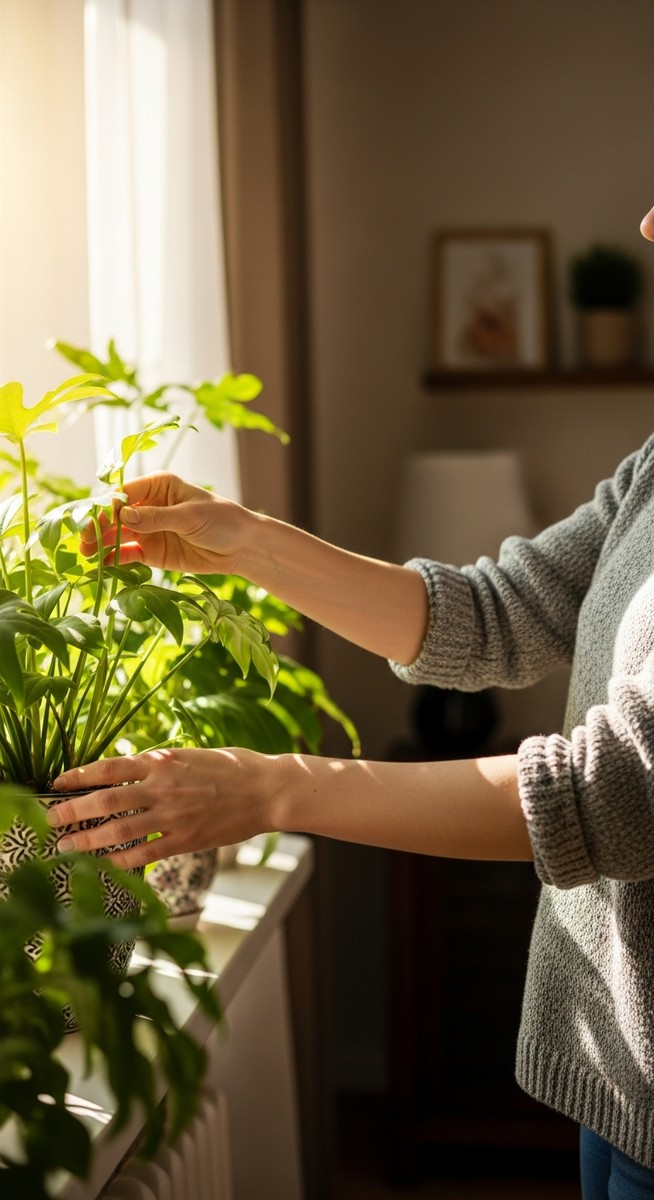
Rotate your pots every week to encourage even growth. Keeping air circulating is an easy way to help your plants stay healthy in summer.
Common Summer Challenges for Houseplants
Intense sunlight, higher indoor temperatures, and changes in moisture make it much harder to keep plants healthy during warmer months. How you manage temperature and moisture around your plants can have a direct impact on their appearance and growth.
Managing Heat Stress
Summer windows let in much stronger sunlight. When houseplants get too much direct sun or heat, their leaves can burn and dry out.
Signs of heat stress include:
- Wilting, droopy stems
- Crisp, brown edges on the leaves
- Slowed or stunted growth
To reduce heat stress:
- Move plants away from windows during peak daylight hours, or use sheer curtains for protection.
- Keep an eye on rooms that get the most sunlight – they usually trap more heat.
- Most tropical varieties don’t like temperatures above 85°F (29°C).
- Water in the early morning so soil can absorb moisture before the heat rises.
Heat waves can come on quickly, so check soil moisture daily and watch for sudden changes in your plants’ appearance.
Dealing With Increased Humidity
Humidity often rises during summer, especially in kitchens or bathrooms. Some houseplants love this, but others can develop leaf spotting, fungus, or pests if the air stays too moist.
To handle extra humidity:
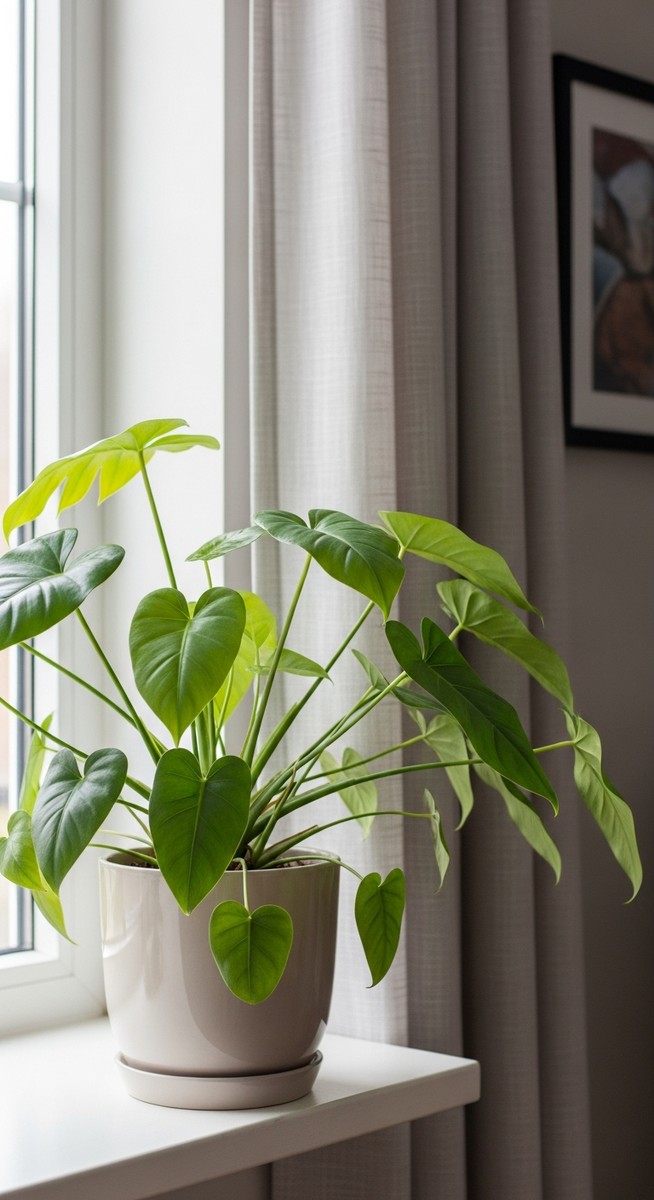
- Space pots further apart so air can move freely around them.
- Wipe down leaves with a damp cloth to discourage bugs and prevent mold.
- Use a fan set on low (not pointing directly at the plants) to create airflow.
- Make sure your pots have drainage holes and don’t let water stand in trays.
Fungal issues are more common when you water late in the day, so always aim to water in the morning. Monitor for signs like sticky residue, spots, or fuzzy growth, which can signal fungal or pest issues.
Adjusting Your Routine for Summer
Longer days and rising temperatures can quickly change what your houseplants need to stay healthy. It’s important to tailor your care for heat, humidity, and intense sun so your plants thrive.
Watering Adjustments
Plants lose water faster in warm weather, so you’ll want to check the soil more often. To do this, use your finger to test moisture about an inch deep before each watering.
If it feels dry, it’s time to water. For most indoor plants, watering in the morning is best – this gives roots a chance to absorb moisture before afternoon heat sets in.
Watch for common signs that a plant needs more water like drooping leaves or soil that dries out in just a day. Try bottom watering for pots with dry topsoil; set the pot in a shallow tray of water for about 15 minutes.
In high humidity, don’t overwater – too much can lead to root rot. Always pour out any water left in saucers under your pots.
Create a consistent watering routine but stay flexible, since every room can have different light or airflow. Use self-watering stakes or small watering globes for sensitive plants while you’re away or during extra-hot weeks.
Light and Shade Considerations
Plants may get more direct sunlight in summer, especially if you keep them near south or west windows. Move delicate varieties like ferns or some palms away from these spots to prevent leaf burn. Blinds, sheer curtains, or repositioning can reduce harsh light without moving every pot.
Rotate your plants every week so they don’t grow lopsided or stretch toward one direction. If it’s not too hot, open windows briefly for fresh air – just make sure plants aren’t in a draft. Consider adding a thin light cloth or removable window film for extra shade during heat waves.
For succulents or cacti, check leaves for pale spots or yellowing, which means they’re getting too much sun. Use a small folding table to change their position as needed. If you have grow lights, adjust timers so your plants aren’t exposed for longer than 12 to 14 hours during peak summer months.